
The Importance of Financial Modeling
Financial modeling is a crucial tool for businesses to make informed decisions, analyze data, and predict future outcomes.
Forecasting Financial Performance
Financial modeling allows businesses to forecast their financial performance by analyzing historical data and market trends.
Strategic Planning and Decision Making
By utilizing financial modeling, businesses can make strategic plans and decisions based on accurate financial projections.
Types of Financial Models
Income Statement Model
An income statement model predicts a company’s profitability by forecasting revenues and expenses.
Balance Sheet Model
A balance sheet model helps businesses analyze their assets, liabilities, and equity to assess financial health.
Cash Flow Model
A cash flow model predicts the cash inflows and outflows of a business to ensure liquidity and financial stability.
Benefits of Financial Modeling
Improved Decision Making
Financial modeling provides businesses with the data and insights needed to make informed decisions, leading to better outcomes.
Risk Management
By analyzing various scenarios through financial modeling, businesses can better manage and mitigate risks.
Enhanced Financial Planning
Financial modeling helps businesses create detailed financial plans and budgets for optimal resource allocation.
Challenges of Financial Modeling
Data Accuracy
One of the main challenges in financial modeling is ensuring the accuracy and reliability of the data used.
Complexity
Financial modeling can be complex and time-consuming, requiring expertise and attention to detail.
Technology Integration
Integrating financial modeling tools and technology into existing systems can be a challenge for some businesses.
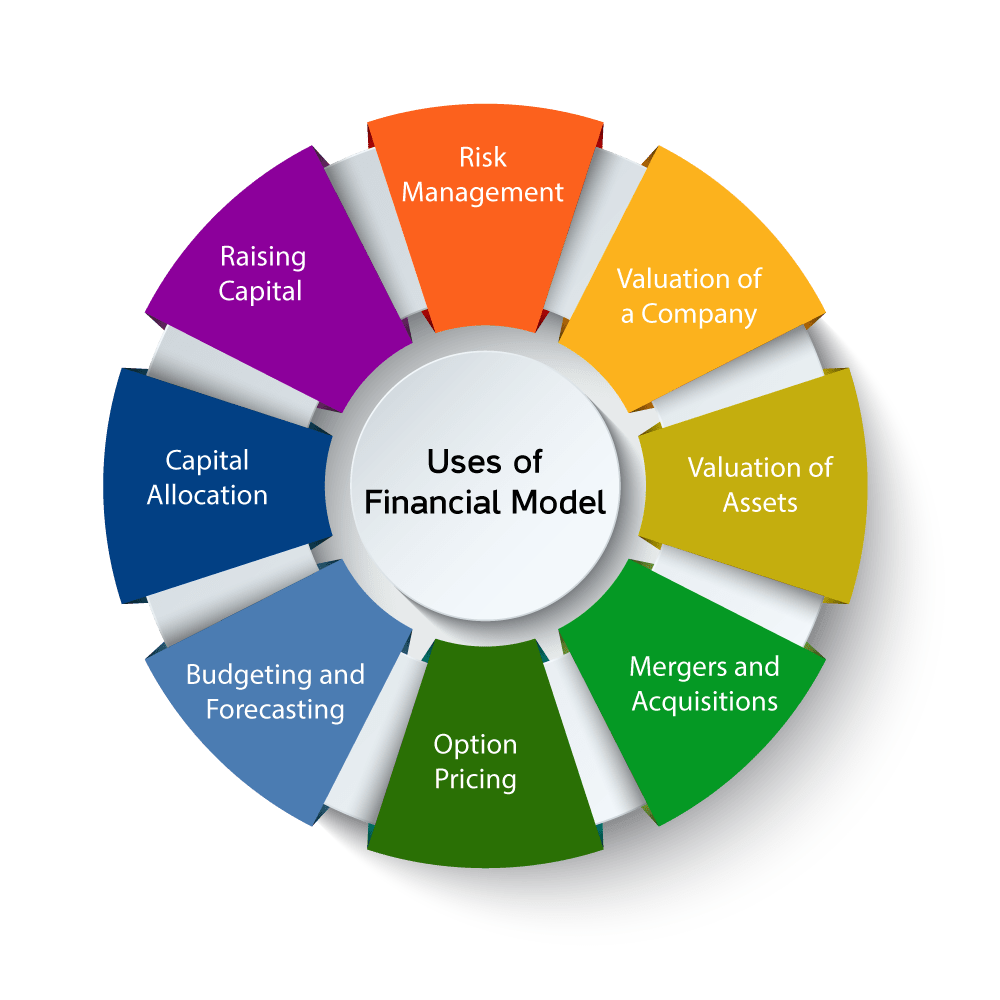
The Importance of Financial Modeling
Financial modeling is a crucial tool for businesses to make informed decisions, analyze data, and predict future outcomes.
Forecasting Financial Performance
Financial modeling allows businesses to forecast their financial performance by analyzing historical data and market trends.
Strategic Planning and Decision Making
By utilizing financial modeling, businesses can make strategic plans and decisions based on accurate financial projections.
Types of Financial Models
Income Statement Model
An income statement model predicts a company’s profitability by forecasting revenues and expenses.
Balance Sheet Model
A balance sheet model helps businesses analyze their assets, liabilities, and equity to assess financial health.
Cash Flow Model
A cash flow model predicts the cash inflows and outflows of a business to ensure liquidity and financial stability.
Benefits of Financial Modeling
Improved Decision Making
Financial modeling provides businesses with the data and insights needed to make informed decisions, leading to better outcomes.
Risk Management
By analyzing various scenarios through financial modeling, businesses can better manage and mitigate risks.
Enhanced Financial Planning
Financial modeling helps businesses create detailed financial plans and budgets for optimal resource allocation.
Challenges of Financial Modeling
Data Accuracy
One of the main challenges in financial modeling is ensuring the accuracy and reliability of the data used.
Complexity
Financial modeling can be complex and time-consuming, requiring expertise and attention to detail.
Technology Integration
Integrating financial modeling tools and technology into existing systems can be a challenge for some businesses.